Technical notes on software, systems, tools and anything else I find useful.
I write about C++, Linux, Android, open-source tools, software development, embedded problems and more. Notes live in .org or .md and are transformed into static HTML during the build.
A practical guide to buzzers on ESP32: technologies, drive circuits, LEDC, sounds, melodies, and non-blocking ESP-IDF players.
A guide to rotary encoders on ESP32: quadrature, software decoders, PCNT, speed measurement, and robust ESP-IDF firmware.
How to distinguish a USB host from a charger using VBUS, enumeration, TinyUSB, and a probe-then-commit policy.
A clarification of OpenGL as an API and specification, not a graphics engine or GPU, covering context, state, drivers, GLSL, buffers, VAOs, and draw calls.
An introduction to points, lines, triangles, vertices, indices, meshes, winding order, and OpenGL primitives in rasterized graphics.
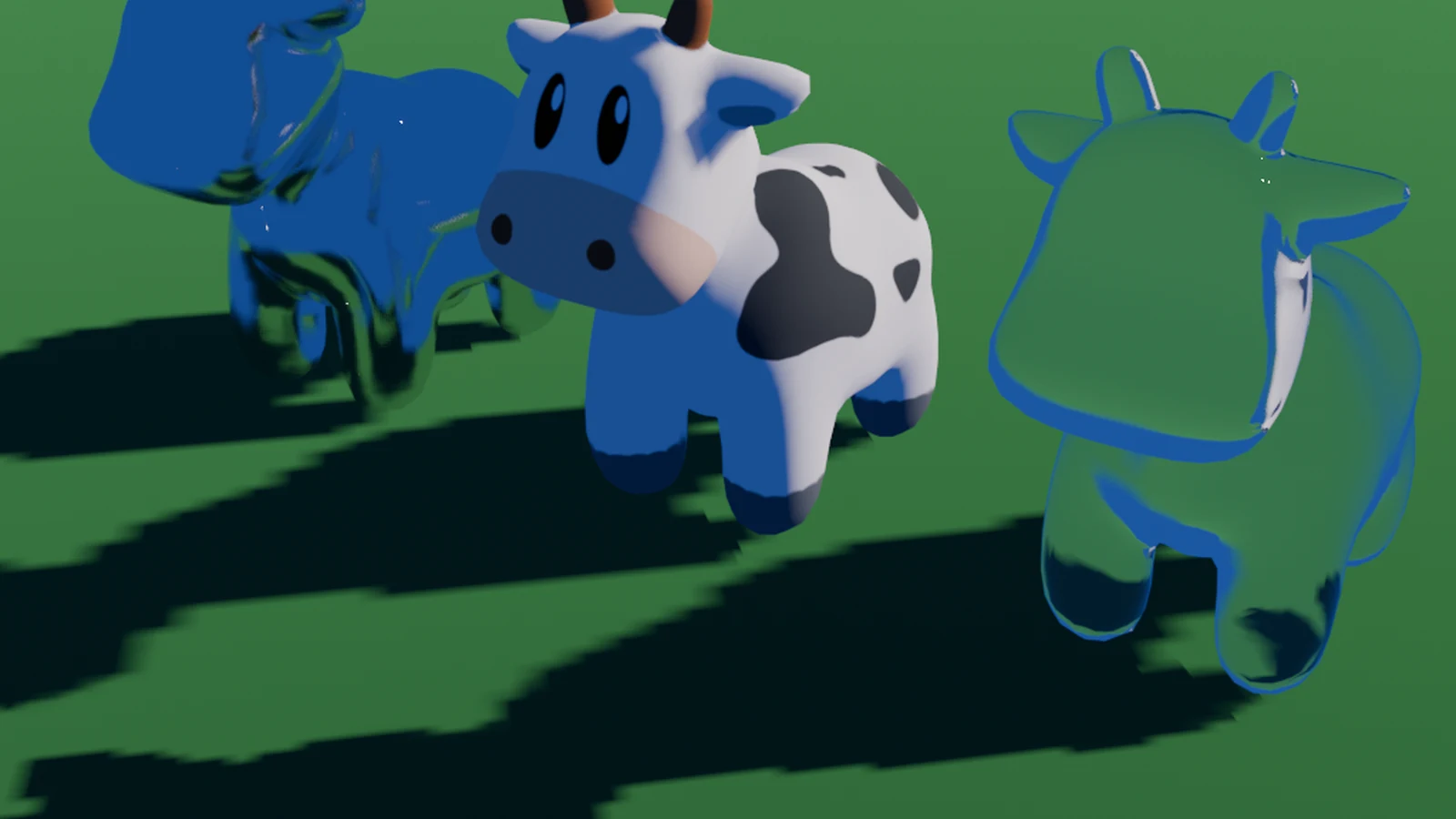
An introduction to pixels, resolution, RGB channels, alpha, bit depth, textures, and framebuffers in OpenGL.

An introduction to computer graphics: how data, rendering, the pipeline, CPU, GPU, and OpenGL become digital images.
A practical guide to CRC: what it is, how it works, why it detects accidental errors, where it is used, and what to consider when designing a protocol.
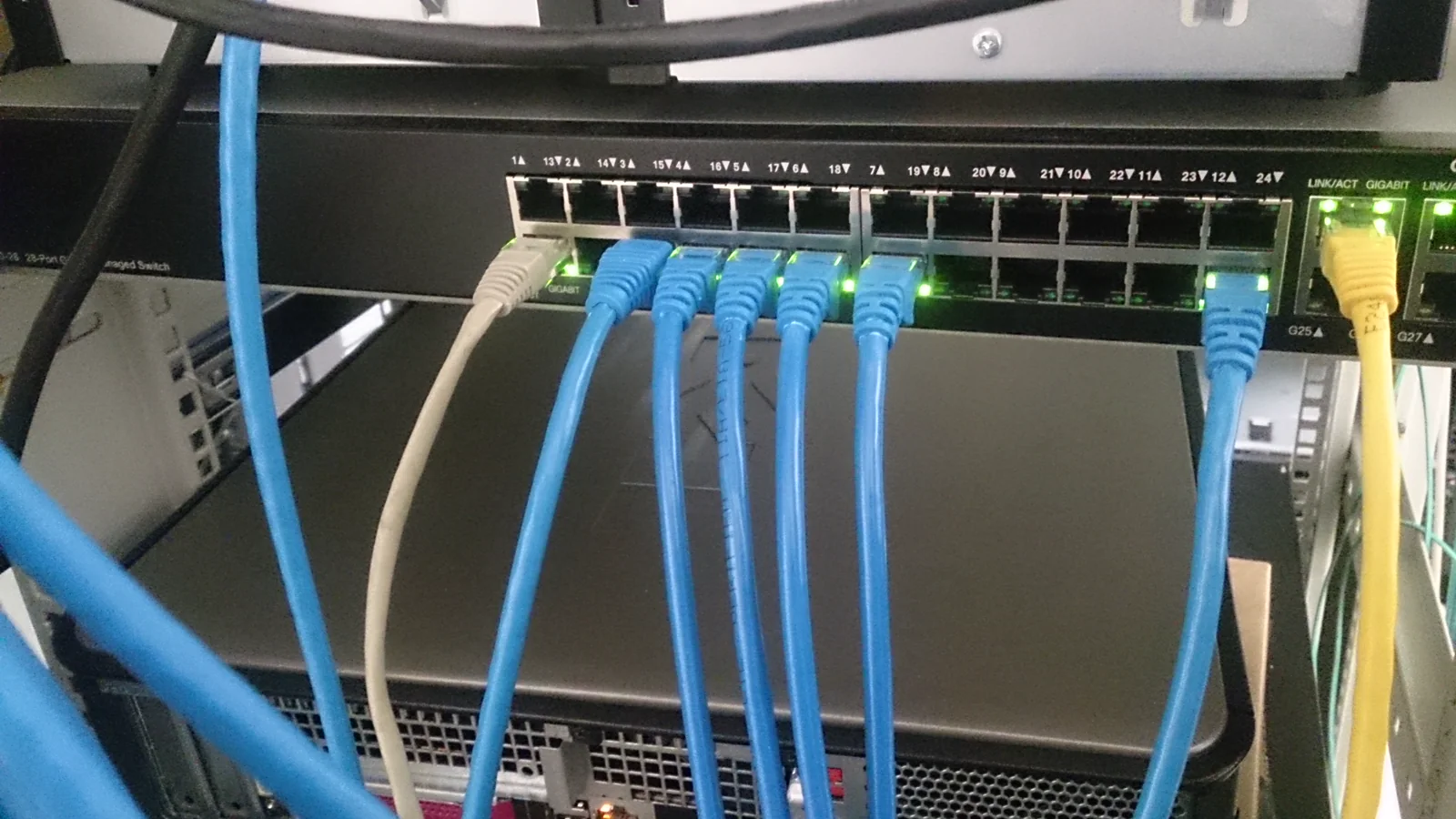
A practical guide to RPC calls between a PC and a microcontroller: bidirectional requests, identifiers, notifications, serialization, framing, timeouts, retries, versioning, and debugging.
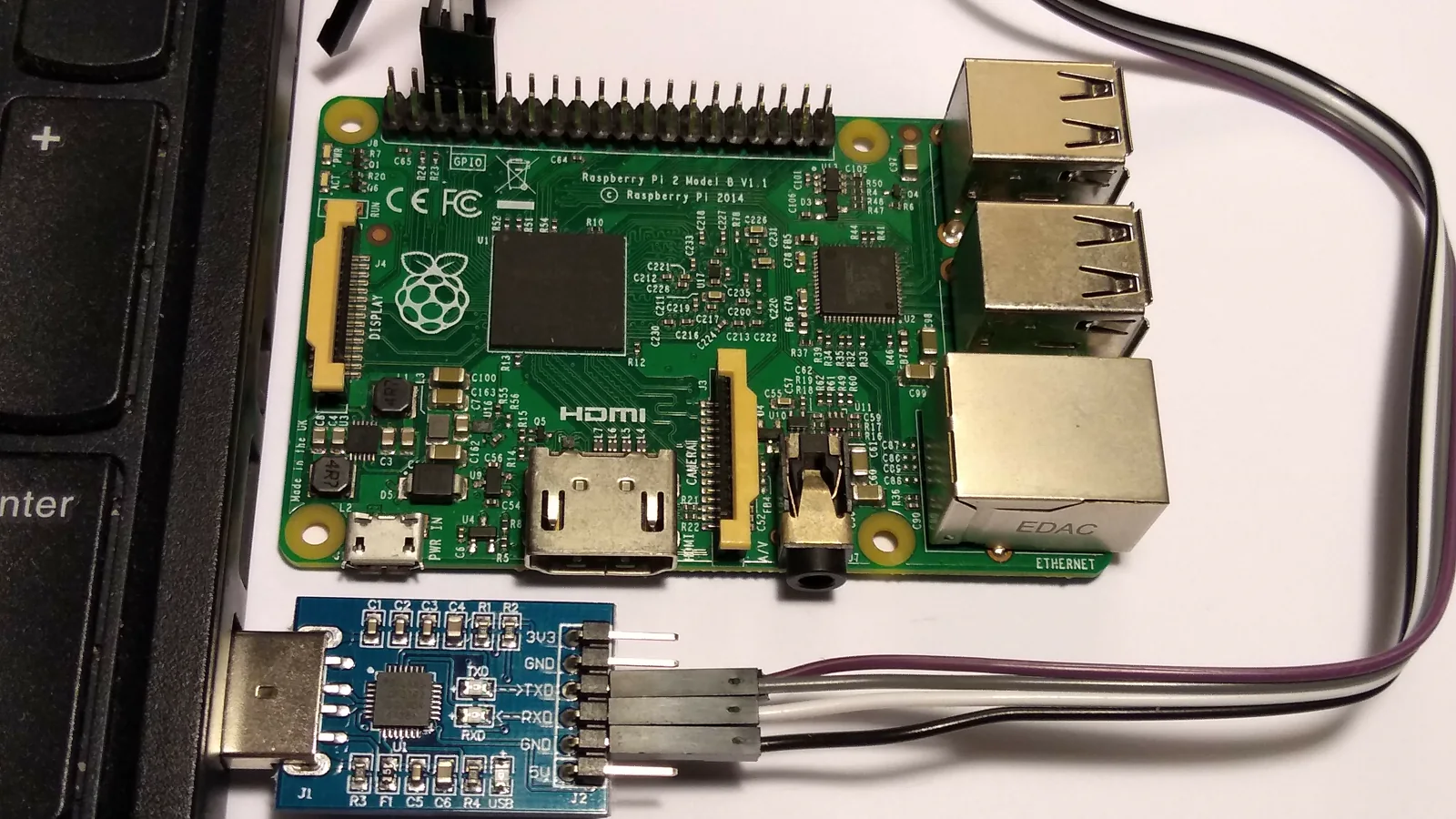
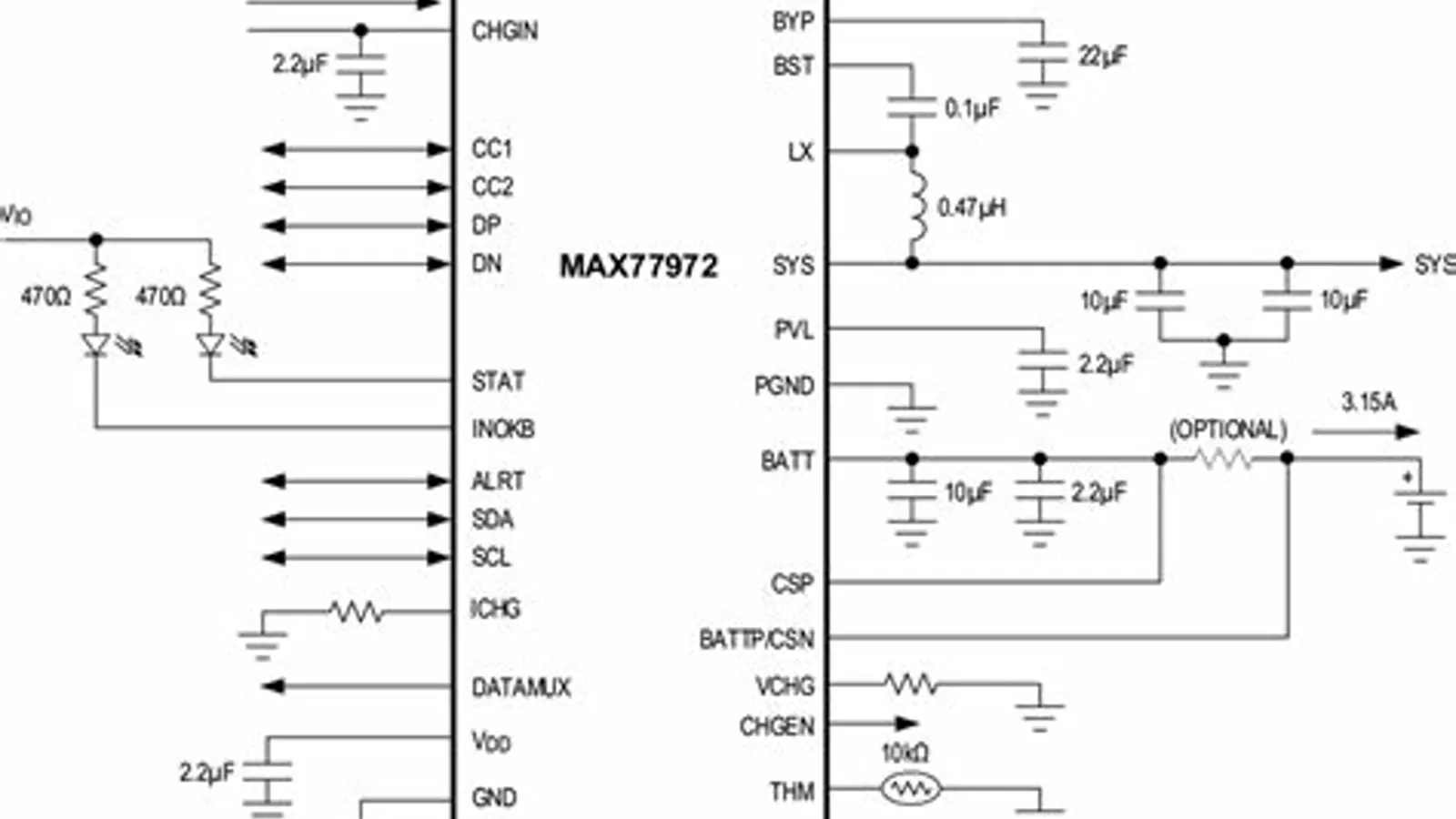
A practical MAX77972 guide: buck charger, ModelGauge m5, USB-C, AICL, THM, initialization, wrong SOC, debugging, and firmware workarounds.
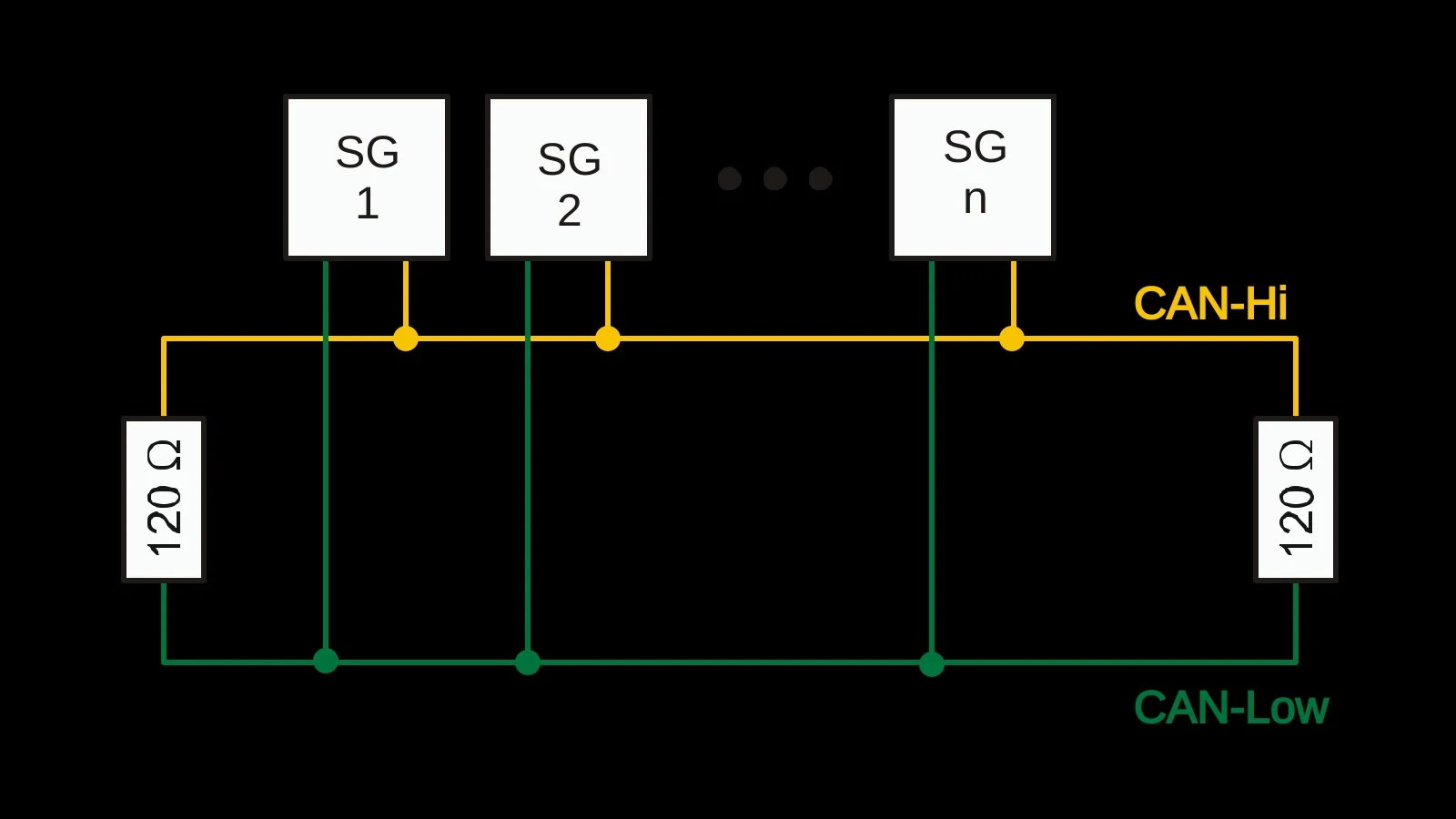
A practical guide to CAN networks: physical signals, arbitration, frames, timing, DBC decoding, diagnostics, CAN FD, CAN XL, and security.
A practical guide to BLE on ESP32: roles, advertising, GATT, MTU, throughput, security, privacy, and real-world configuration parameters.

Using RAII to keep rollback close to the state it protects.
How to distinguish a mandatory pointer from an optional value directly in a function signature.
Use several lambdas as one visitor to make std::visit easier to read.

Applying RAII to file descriptors, sockets, and handles with exclusive ownership.

Using distinct types to turn domain mistakes into compile-time errors.

An example of how C++20 ranges and views make collection algorithms easier to read.

An introduction to C++20 concepts: what they are, when they help and how to use them without making the code heavier.

My experience with openSUSE Tumbleweed: rolling releases, KDE, stability and a few everyday trade-offs.

How I use Obtainium to update open-source Android apps directly from their official sources.

After moving to GrapheneOS, I started replacing my main apps with more privacy-respecting alternatives.

After months of daily use, GrapheneOS became my favorite smartphone operating system.

How I moved kill-switch rules from iptables to nftables inside a wg-quick configuration.

Why nftables makes firewall rules easier to organize than separate iptables and ip6tables configurations.

A comparison between header guards and pragma once, with benefits and limits of both options.
The difference between git revert and git reset when you need to undo the last commit.
A quick way to check an installed package version without running the binary directly.

Starting from Qt's signal/slot model, I build a small modern C++ implementation.

A tidy C++ project structure with separate libraries and applications, and a build that is easier to follow.

The first note on the site: why I decided to start writing publicly.